OUR MODEL

OUR MODEL

Four Pillars of Sustainable Community Transformation

At Serve Zambia Foundation (SZF), our model is designed to catalyze long-term transformation by harnessing local strengths, empowering communities, and ensuring sustainability. We work through four interconnected pillars:

1. Identify and Mobilize Community Assets

We actively collaborate with local churches and community leaders to uncover the valuable strengths and resources that exist within the community. This process involves mapping out a diverse range of assets, such as skilled artisans who contribute their craftsmanship, dynamic youth groups that bring energy and fresh perspectives, and established local governance structures that foster collaboration and decision-making. Additionally, we engage with relevant government ministries to align our efforts with broader developmental goals. By recognizing and tapping into these existing assets, we not only enhance the effectiveness of our interventions but also lay a strong, sustainable foundation for community development that empowers residents and fosters long-term growth.

2. Capacity Building

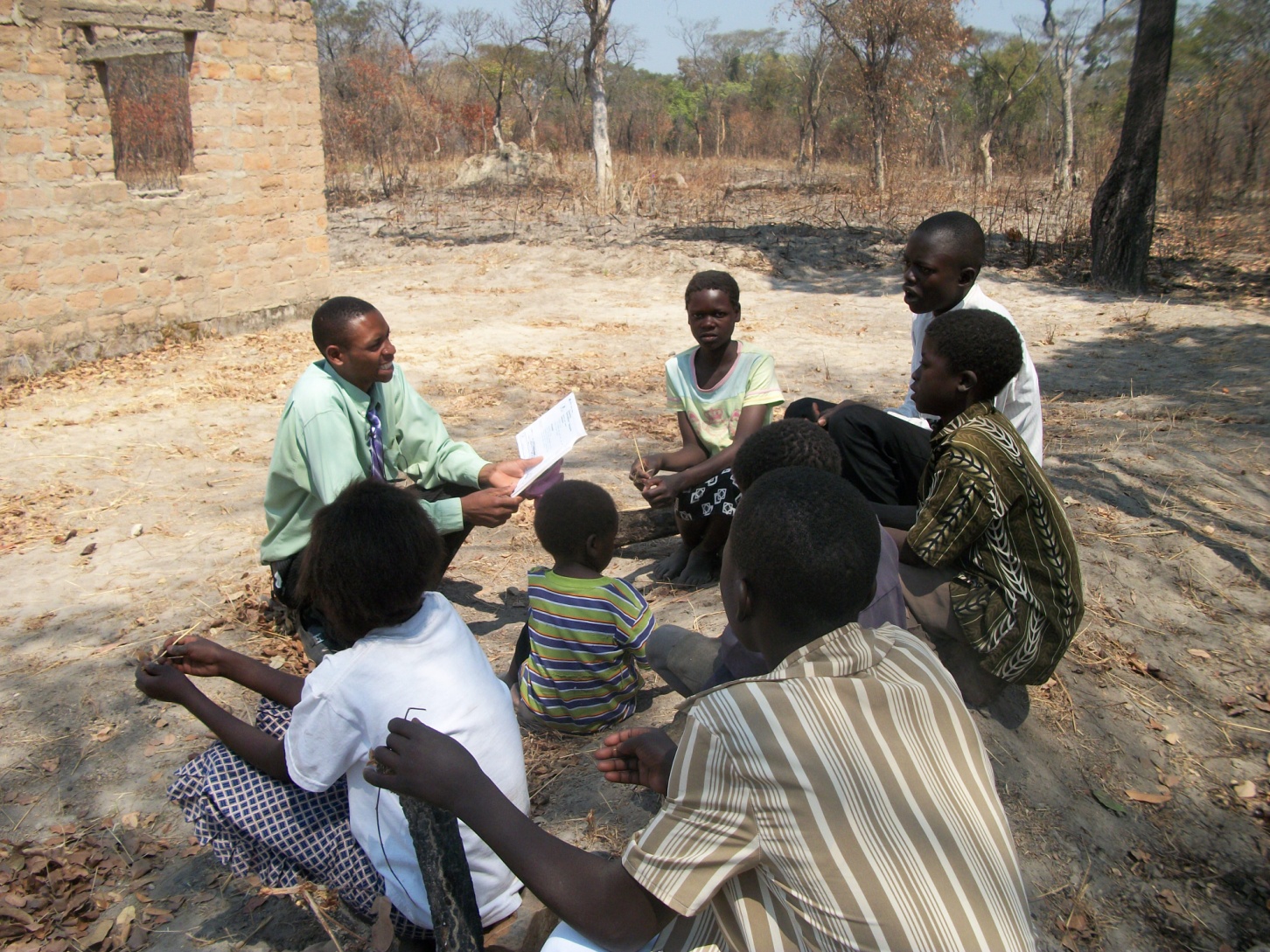
We prioritize equipping local leadership with the knowledge and skills needed to drive change. Church and community leaders receive training in Asset-Based Community Development (ABCD), health, nutrition, and hygiene. Key “vision bearers” are identified and trained as community resource personnel, creating a reservoir of skilled individuals who can sustain and scale activities long after project completion. This investment in people ensures that communities themselves remain at the heart of development.

3. Infrastructure Development

Serve Zambia plays a crucial role in facilitating community-driven infrastructure development through the Asset-Based Community Strengthening (ABCS) approach. This process encourages communities, along with the Serve Zambia Foundation (SZF) and other stakeholders, to actively engage in identifying, planning, executing, monitoring, and evaluating infrastructure projects. By sharing responsibilities from the beginning, we foster collaboration and accountability, resulting in the creation of facilities that not only meet local needs but also reflect the priorities of the community.
4. Sustainability through Ownership

Sustainability is achieved when communities take responsibility for what they have built. By entrusting churches and community structures with oversight, we ensure facilities are well-used, maintained, and safeguarded for future generations. This sense of ownership instills pride, accountability, and commitment—extending the life and impact of projects well beyond initial donor support.